
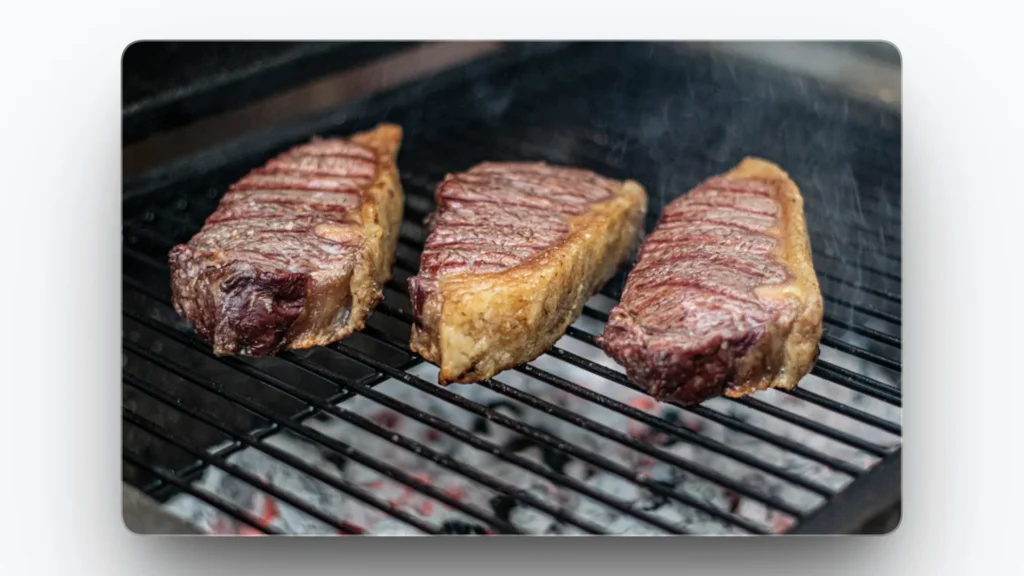
Ribeye and New York strip are two classic steakhouse cuts, but they eat differently. Ribeye has more marbling, so it usually tastes richer and feels more tender. Marbling is the fine threads of fat in the meat, and USDA notes that marbling is what gives beef much of its flavor, juiciness, and tenderness. New York strip is leaner with a firmer bite and a clean, beef-forward flavor.
If you are ordering at a Dallas steakhouse, the choice can feel stressful. You might wonder which cut tastes better, which one stays tender at your preferred doneness, and which one matches your appetite. You might also want to know which sides and add-ons pair best, so you do not spend extra on a combination you will not enjoy.
This guide explains ribeye vs strip in simple words, then shares 6 Dallas steakhouse order ideas plus side pairings to help you choose with confidence.
What is Ribeye?
Ribeye is known for rich flavor and generous marbling throughout. It is a strong choice when you want a juicier, softer bite and you prefer the steak to carry most of the richness on the plate.
Who should order ribeye
- You want a rich, juicy steak with plenty of marbling.
- You prefer a softer bite over a firmer chew.
- You want the steak to bring most of the richness, so sides can stay simple.
What is the New York Strip?
The New York strip, also called strip steak, comes from the strip loin. It is a popular steakhouse cut with a firmer, beef-forward bite than ribeye because it is usually leaner and has less internal fat.
Who should order New York strip
- You want a steakhouse classic with a firmer bite.
- You like a clean, beef-forward flavor.
- You want to add richness with a topping or a hearty side.
Best 6 Dallas Steak House Orders
Ribeye is usually richer and more marbled, while New York strip is leaner with a firmer bite. These six Dunston’s order ideas pair each cut with sides that fit its flavor and texture. Dunston’s also lists an option to add grilled or fried jumbo shrimp to an entree, so you can turn any steak order into a steak-and-shrimp plate if you want more variety.
- Ribeye + baked potato + spinach
- Ribeye + mashed potatoes + sauteed mushrooms
- Bone-in ribeye + au gratin potatoes + sauteed broccoli
- New York strip + mac and cheese + green beans
- New York strip + onion rings + pinto beans
- New York strip + grilled or fried jumbo shrimp + french fries
1. Ribeye (10 oz) + baked potato + spinach
Ribeye is a rich, marbled steak. This order keeps the plate classic, so the steak stays the focus.
A baked potato adds comfort, and spinach adds a lighter, savory side. The mix feels balanced without extra heaviness.
Best for
Someone who wants a traditional ribeye dinner with simple sides.
Why it works
Ribeye already brings richness, so straightforward sides fit the cut.
Add-on
Do not replace it with anything. You already covered the add-on once in the orders intro (Step 5). This is the biggest “no padding” upgrade..
Side picks
- Baked potato
- Spinach
- Side salad
- Green beans
2. Ribeye (10 oz) + mashed potatoes + sauteed mushrooms
This ribeye order leans into steakhouse comfort. Mashed potatoes bring a smooth, filling side that pairs well with a tender bite.
Sauteed mushrooms add a savory, earthy note that matches beef well. It is a simple way to add depth without adding a sauce.
Best for
Someone who wants a richer plate with classic steakhouse flavors.
Why it works
The mushrooms complement ribeye flavor, and mashed potatoes keep the meal familiar and satisfying.
Add-on
Do not replace it with anything. You already covered the add-on once in the orders intro (Step 5). This is the biggest “no padding” upgrade..
Side picks
- Mashed potatoes
- Sauteed mushrooms
- Fried okra
- Pinto beans
3. Bone-in ribeye (14 oz) + au gratin potatoes + sauteed broccoli
Bone-in ribeye is a bigger, steakhouse-style order. Au gratin potatoes add a hearty side that fits a larger cut.
Sauteed broccoli adds a clean, green bite that keeps the plate from feeling too heavy. This pairing gives you richness plus balance.
Best for
Someone who wants a larger ribeye order and a full steakhouse plate.
Why it works
The ribeye and au gratin bring comfort, and the broccoli keeps the meal from feeling one-note.
Add-on
Do not replace it with anything. You already covered the add-on once in the orders intro (Step 5). This is the biggest “no padding” upgrade..
Side picks
- Au gratin potatoes
- Sauteed broccoli
- Side salad
- Steamed cabbage
4. New York strip (12 oz) + mac and cheese + green beans
New York strip is a leaner steakhouse cut, so pairing it with a richer side can make the plate feel more complete. Mac and cheese does that job well.
Green beans add a lighter bite between steak slices. This keeps the meal balanced while still feeling like a steakhouse dinner.
Best for
Someone who wants a larger strip steak with a hearty side.
Why it works
Strip has a firmer bite, and mac and cheese adds richness that helps round out the plate.
Add-on
Do not replace it with anything. You already covered the add-on once in the orders intro (Step 5). This is the biggest “no padding” upgrade..
Side picks
- Mac and cheese
- Green beans
- Sauteed mushrooms
- Baked potato
5. New York strip (8 oz) + onion rings + pinto beans
This is a smaller strip steak order that still eats like a full steakhouse meal. Onion rings add crunch and a classic steakhouse side feel.
Pinto beans add a hearty, simple side that matches the clean steak flavor. Together, they make the 8 oz strip feel more filling.
Best for
Someone who wants a smaller steak portion with bold, filling sides.
Why it works
The strip stays beef-forward, and the sides add texture and comfort without covering up the steak.
Add-on
Do not replace it with anything. You already covered the add-on once in the orders intro (Step 5). This is the biggest “no padding” upgrade..
Side picks
- Onion rings
- Pinto beans
- French fries
- Side salad
6. New York strip (8 oz) + add grilled or fried jumbo shrimp + french fries
If you want steak plus seafood, add grilled or fried jumbo shrimp to a strip steak. Dunston’s lists this add-on option for any entree.
French fries keep the rest of the order simple and familiar. This combination gives variety while keeping the strip steak as the main item.
Best for
Someone who wants a simple surf-and-turf style order.
Why it works
Strip steak keeps a clean steak flavor, and shrimp adds a second protein without changing the cut choice.
Add-on
Do not replace it with anything. You already covered the add-on once in the orders intro (Step 5). This is the biggest “no padding” upgrade..
Side picks
- French fries
- Sauteed broccoli
- Green beans
- Mashed potatoes
How to choose the right cut at a Dallas steakhouse
Ribeye and New York strip can both be great choices, but they eat very differently. Use the tips below to match the cut to your taste, your sides, and how you like your steak cooked.
If you like a buttery bite (ribeye)
Choose ribeye when you want a richer steak and a softer bite. Ribeye usually feels more “lush” on the palate because it has more fat running through the meat.
In a Dallas steakhouse setting, ribeye is a strong pick when you want the steak to carry the meal. Keep your sides straightforward so the beef flavor stays front and center.
If you like a clean, beef-forward bite (strip)
Choose New York strip when you want a leaner steak with a firmer chew. The flavor often tastes more direct, with less richness from fat.
This cut is a good fit if you like to build the plate with sides. A richer side can balance the leaner bite without changing the character of the steak.
Bone-in vs boneless
Bone-in steaks often look bigger on the plate and can feel more traditional in a steakhouse. They also take up more space, which matters if you are sharing sides or ordering multiple items for the table.
Boneless steaks are easier to slice and easier to eat. If you want less fuss and cleaner cuts on the plate, boneless is usually the simpler choice.
Thickness and cooking style
Thickness changes how a steak eats. A thicker steak gives the kitchen more room to brown the outside while keeping the inside closer to your preferred doneness.
If you like a juicy center, a thicker cut is often the better pick. If you prefer a more even cook from edge to edge, a thinner cut can feel more consistent. For an easy pick, check the Dunston’s Steakhouse menu before you order.
FAQs
Is ribeye better than strip?
Ribeye is a better pick if you want a richer, juicier steak with more marbling. New York strip is a better pick if you prefer a leaner steak with a firmer bite and a clean beef flavor.
Which steak is more tender?
Ribeye often feels more tender because marbling softens the bite as the steak cooks. New York strip can still be tender, but it usually eats a little firmer than ribeye.
Which cut is leaner?
New York strip is usually the leaner cut, with less internal fat than ribeye. That leaner profile is why strip often tastes more direct and beef-forward.
What sides pair best with ribeye?
Choose sides that keep the plate balanced, since ribeye already brings richness. A baked potato, spinach, green beans, or a side salad are simple options that do not compete with the steak.
What sides pair best with the New York strip?
New York strip pairs well with sides that add comfort and richness. Mac and cheese, au gratin potatoes, sauteed mushrooms, or onion rings can make a leaner steak dinner feel more complete.
Can you add shrimp to steak at Dunston’s?
Dunston’s lists an option to add grilled or fried jumbo shrimp to an entree. If you want a steak-and-shrimp style plate, ask for the shrimp add-on when you order.

